




Keep Your Teeth White: Expert Maintenance Tips in Melbourne, FL
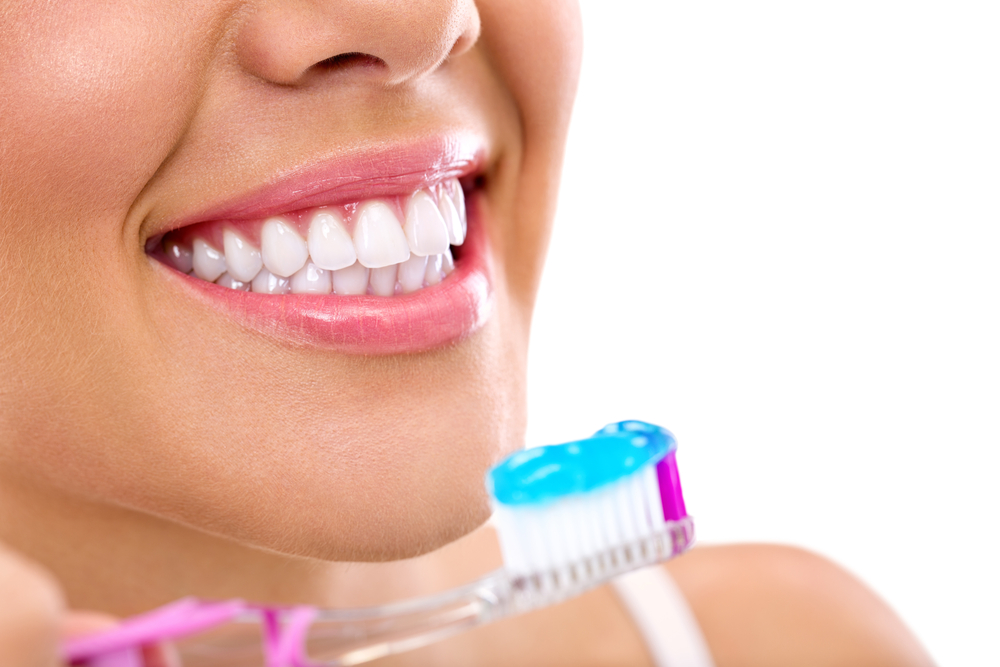
Keep Your Bright Smile Beautiful for Years
You’ve just completed your teeth whitening treatment, and your smile is glowing with confidence. Now the question is: how do you keep it that way? At Solid Bite in Melbourne, FL, Dr. Lee Sheldon, Dr. Michel Furtado, and Dr. Matt Sheldon help patients not only whiten their teeth with professional care but also maintain that dazzling brightness long after the appointment ends.
A bright smile can fade over time due to lifestyle habits, diet, and natural wear on tooth enamel. However, by adopting a few simple habits and understanding how whitening works, you can preserve your whitening results for years to come.
Call 321.259.8000 today to schedule your post-whitening checkup or learn about touch-up options available at our dentist’s office near you in Melbourne.
Why Teeth Lose Their Brightness
Even after professional whitening, your teeth are still exposed to daily factors that can dull their color. Surface stains from coffee, tea, or red wine gradually build up, while acidic foods can weaken enamel and make the teeth more porous, allowing stains to penetrate. Chewing tobacco, smoking, and poor oral health practices can also cause yellow stains or brown stains to reappear.
Understanding what causes discoloration helps you prevent it. Major contributors include:
- Dark beverages such as cola, coffee, and tea
- Foods with pigments like berries, tomato sauce, and soy sauce
- Smoking or chewing tobacco
- Improper brushing and flossing
- Acidic foods that erode dental hard tissues
- Aging, which reveals more of the dentin underneath the enamel
Professional whitening systems like KöR use hydrogen peroxide and carbamide peroxide—powerful yet safe bleaching agents—to remove these stains. Maintaining those effects is a matter of consistent care.
Daily Habits to Maintain White Teeth
Brush and Floss Regularly
The most important way to preserve your whiter teeth is to practice excellent oral hygiene. Brush at least twice daily with a whitening toothpaste approved by the American Dental Association. These teeth whitening products contain mild abrasives that polish enamel and prevent surface stains from reattaching.
Floss once a day to remove food particles between teeth that can lead to dental caries and discoloration. Using warm water and gentle motions helps protect sensitive teeth after whitening.
Rinse After Stain-Causing Foods
After drinking coffee, tea, or wine, rinse your mouth with warm water or plain water. This simple habit removes staining residues before they can absorb into the enamel. You can also carry a reusable straw to minimize direct contact with beverages that might stain teeth.
Limit Acidic and Sugary Foods
Foods like citrus fruits, soda, and vinegar-based dressings can wear away enamel over time. Once enamel thins, the dentin underneath becomes more visible, giving teeth a yellow tint. Limiting these foods not only preserves color but also prevents gum irritation and protects against mouth disease.

Professional Touch-Ups and Whitening Maintenance
Use Your Custom Whitening Trays
If you received take-home trays as part of your teeth whitening treatment, you can maintain your results by using them periodically with professional-grade whitening gel. These at-home touch-ups use hydrogen peroxide or carbamide peroxide at safe concentrations to refresh your tooth color.
Our team will guide you on how often to repeat the whitening procedure based on your diet and lifestyle. Consistent maintenance keeps your smile radiant and reduces the need for future in-office whitening sessions.
Schedule Regular Dental Cleanings
Professional dental cleanings every six months remove plaque, tartar, and stains that brushing alone can’t reach. Dental professionals at Solid Bite also examine your gingival health, ensuring no underlying issues—such as gum disease—are dulling your teeth or affecting your overall health.
These cleanings not only help you maintain white teeth but also support long-term oral health and prevent conditions that could discolor enamel.
Natural Ways to Support Whitening Results
While nothing replaces professional care, there are natural methods that can help sustain brightness between visits:
- Oil pulling with coconut oil: This traditional technique involves swishing coconut oil around your mouth for 10–15 minutes. It may help remove bacteria, reduce plaque, and promote gingival health, contributing to a cleaner, brighter smile.
- Crunchy fruits and vegetables: Apples, celery, and carrots act like natural scrubbers, helping to remove tough stains and food debris. Their fibrous texture supports gum health while polishing the enamel.
- Baking soda and water paste: Occasional use of baking soda can help naturally whiten by gently polishing away extrinsic stains. Use sparingly, as excessive abrasiveness can damage enamel over time.
- Malic acid in strawberries or apples: Found naturally in fruit, this compound can help dissolve minor surface stains and leave teeth looking brighter.
These methods may not create dramatic changes, but they help maintain the whitening effect of professional treatment while promoting a healthy mouth.
Managing Tooth Sensitivity After Whitening
It’s normal to experience temporary tooth sensitivity after whitening, especially when exposed to cold or sweet foods. To minimize discomfort:
- Use toothpaste for sensitive teeth containing potassium nitrate or fluoride.
- Avoid extremely hot or cold foods for the first 48 hours.
- Wait a day before using additional whitening products such as whitening strips or mouth trays.
Professional systems like KöR at Solid Bite are designed to minimize tooth sensitivity by using specialized gels that strengthen enamel and hydrate dental hard tissues during treatment.
Protecting Your Smile from Stains
Avoid Tobacco and Staining Drinks
Tobacco is one of the leading causes of tooth discoloration and oral cancer. Quitting not only preserves your white smile but also significantly improves your overall health. If you enjoy beverages like coffee or red wine, consider moderation or sip through a straw to reduce exposure to enamel.
Choose Whitening-Friendly Snacks
Eating crunchy fruits like apples or pears between meals helps clean the teeth naturally. They stimulate saliva production, which neutralizes acids and washes away particles that stain teeth.
Drink Plenty of Water
Water is one of the simplest yet most effective ways to preserve white teeth. It rinses away acidic foods, helps balance pH levels, and prevents bacteria growth that could lead to gum disease or discoloration.
Whitening Myths to Avoid
Despite popular trends online, not all “natural” methods are safe or effective. Be cautious of unverified teeth whitening products that claim instant results. Avoid:
- Lemon Juice Mixtures: These are highly acidic and can erode enamel, worsening discoloration over time.
- Charcoal Toothpastes: Often too abrasive, they can scratch enamel and cause tooth sensitivity.
- Hydrogen Peroxide Rinses at High Concentrations: Without supervision, they may irritate oral mucosa or lead to uneven whitening.
Always consult your dentist before using any over-the-counter products to ensure they complement your professional whitening treatments safely.

The Role of Professional Follow-Up
After your initial whitening session, periodic follow-ups with your dental professional help assess how your whitening results are holding up. Dr. Sheldon and his team can recommend a personalized whitening product or teeth whitening kit designed for your specific enamel type and stain resistance.
Regular checkups also ensure your oral health remains optimal—because even the brightest smile needs a healthy foundation. If you notice any uneven color or returning tooth discoloration, a quick touch-up can restore your sparkling smile effortlessly.
Frequently Asked Questions
How often should I whiten my teeth?
Most patients maintain their results with touch-up treatments every 6 to 12 months, depending on diet and lifestyle habits.
Can I use whitening toothpaste every day?
Yes, but choose gentle formulas approved by your dentist. Avoid highly abrasive versions that could wear away enamel and cause sensitive teeth.
Is it safe to use oil pulling or baking soda?
Yes, in moderation. While these can help maintain brightness, they shouldn’t replace regular brushing or professional care.
How long will my whitening results last?
With good oral hygiene and routine cleanings, your teeth can stay bright for several years after professional treatment.
Keep Your Smile Bright with Solid Bite in Melbourne, FL
Maintaining a radiant, white smile doesn’t have to be complicated—it just requires consistency and care. At Solid Bite, Dr. Lee Sheldon, Dr. Michel Furtado, and Dr. Matt Sheldon provide guidance tailored to your unique smile so you can enjoy long-lasting whitening results without damaging your enamel or causing sensitivity.
If you’re ready to preserve your bright smile or schedule a touch-up, call 321.259.8000 today. Discover how simple it is to maintain your professional teeth whitening results with help from our trusted dental team in Melbourne, FL.